
How Weather Science Predicts Forecasts
The Importance of Weather Forecasting
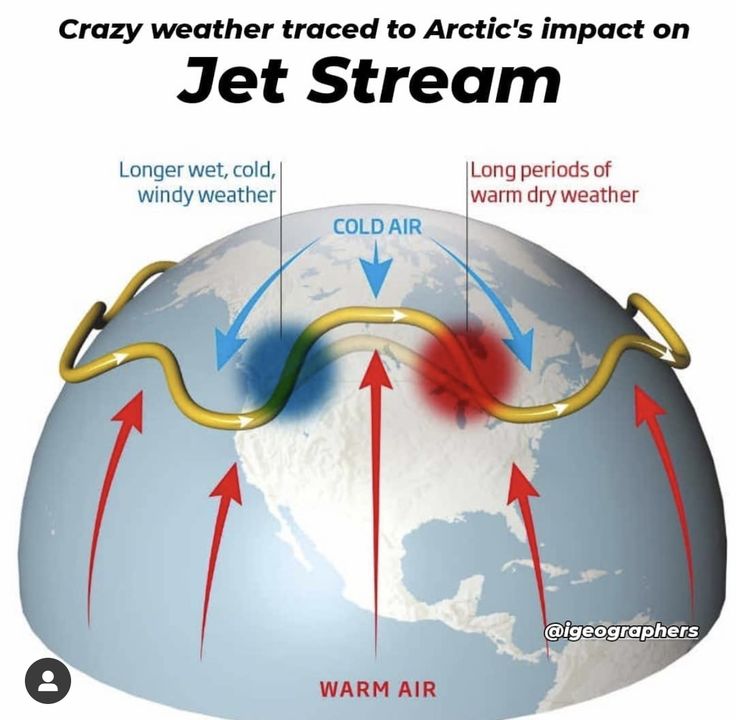
Weather forecasting is the science of predicting atmospheric conditions to help people prepare for daily activities, agriculture, travel, and emergency planning. Accurate forecasts can save lives by warning communities of storms, heatwaves, or floods. Weather science combines observations, computer models, and physical principles to understand the atmosphere and make predictions about temperature, precipitation, wind, and other meteorological conditions.
Meteorology: The Study of Weather
Understanding Atmospheric Processes
Meteorology is the scientific study of the atmosphere and the processes that produce weather. Meteorologists examine factors such as air pressure, temperature, humidity, and wind patterns to understand how they interact and influence local and global climates.
Branches of Meteorology
Different branches of meteorology focus on specific aspects of weather. Synoptic meteorology analyzes large-scale weather patterns, while dynamic meteorology studies the physics behind atmospheric movements. Applied meteorology uses scientific insights to improve forecasting techniques and decision-making.
Data Collection: Observing the Atmosphere
Weather Stations and Instruments
Weather predictions start with collecting accurate data. Ground-based weather stations measure temperature, humidity, air pressure, wind speed, and precipitation. Instruments such as barometers, thermometers, and anemometers provide real-time information about atmospheric conditions.
Satellites and Radar Systems
Satellites orbiting Earth provide detailed images of clouds, storms, and temperature patterns. Radar systems detect precipitation, monitor severe weather, and track storm movement. Combining data from these sources gives meteorologists a comprehensive view of the atmosphere.
Weather Models: Simulating the Atmosphere
How Models Work
Weather models are computer programs that simulate atmospheric conditions based on mathematical equations representing physical laws. They take into account factors like wind, temperature, humidity, and radiation, predicting how these elements will change over time.
Types of Models
Global models cover large areas of the Earth and forecast long-term weather patterns, while regional models provide more detailed predictions for specific locations. Models vary in resolution, accuracy, and the time frame they cover, from hours to weeks.
The Role of Numerical Weather Prediction
Using Equations to Forecast
Numerical Weather Prediction (NWP) involves solving complex equations that describe fluid dynamics, thermodynamics, and atmospheric chemistry. Supercomputers process massive amounts of observational data to produce forecasts for temperature, wind, precipitation, and other conditions.
Improving Accuracy
NWP models are constantly refined using historical data and real-time observations. Advanced techniques like data assimilation ensure that model predictions align closely with actual atmospheric conditions, improving forecast reliability.
Short-Term vs. Long-Term Forecasts
Short-Term Forecasts
Short-term forecasts, typically ranging from a few hours to three days, rely on current observations and high-resolution models. They are highly accurate for predicting temperature, rainfall, and severe weather events.
Long-Term Forecasts
Long-term forecasts, spanning weeks or months, focus on trends and probabilities rather than specific events. They use climate patterns, ocean temperatures, and atmospheric cycles to provide guidance for agriculture, water management, and planning.
Weather Patterns and Predictive Indicators
High and Low Pressure Systems
Pressure systems are fundamental to forecasting. High-pressure areas typically bring clear skies, while low-pressure systems are associated with clouds and precipitation. Tracking the movement of these systems helps predict changes in local weather.
Fronts and Storms
Fronts occur where warm and cold air masses meet, often producing rain, thunderstorms, or snow. By monitoring fronts, meteorologists can anticipate severe weather events and issue timely warnings.
Seasonal and Climate Influences
Oceanic and Atmospheric Cycles
Large-scale cycles like El Niño and La Niña influence temperature, precipitation, and storm patterns globally. Seasonal variations, such as monsoons or winter storms, also affect forecasts by establishing typical patterns that models incorporate.
Climate Trends and Predictions
Climate data helps provide context for long-term weather patterns. Understanding climate trends allows meteorologists to differentiate between unusual weather events and normal seasonal fluctuations.
Challenges in Weather Prediction
Complexity of the Atmosphere
The atmosphere is highly dynamic and influenced by countless variables, making precise forecasting challenging. Small changes in one area can lead to significant differences in weather elsewhere, a phenomenon known as the “butterfly effect.”
Limitations of Technology
While satellites, radar, and supercomputers improve forecasts, uncertainties remain due to incomplete data or limitations in model resolution. Meteorologists continually update forecasts as new information becomes available to minimize errors.
Communicating Weather Forecasts
Weather Maps and Alerts
Forecasts are communicated using maps, charts, and digital platforms. Symbols indicate temperature, wind, precipitation, and storm warnings, allowing the public to quickly understand expected conditions.
Importance of Public Awareness
Accurate and timely communication of weather forecasts is critical for safety, especially during extreme events like hurricanes, floods, or heatwaves. Public awareness and preparedness can reduce risks and save lives.
The Future of Weather Forecasting
Advancements in Technology
Artificial intelligence, machine learning, and high-resolution satellite data are improving the accuracy of weather forecasts. These technologies allow faster processing of vast amounts of information and better prediction of complex weather phenomena.
Global Collaboration
Weather science benefits from international cooperation, with data shared across borders to monitor and predict global weather patterns. Collaborative networks enhance forecasting capabilities and disaster preparedness worldwide.
The Significance of Weather Science
Weather science combines observation, modeling, and prediction to help society navigate atmospheric changes. From daily planning to disaster management, accurate weather forecasts play a vital role in human safety, agriculture, transportation, and economic stability. By understanding the science behind weather forecasting, we gain appreciation for the complexity of the atmosphere and the tools that allow us to anticipate its behavior.